
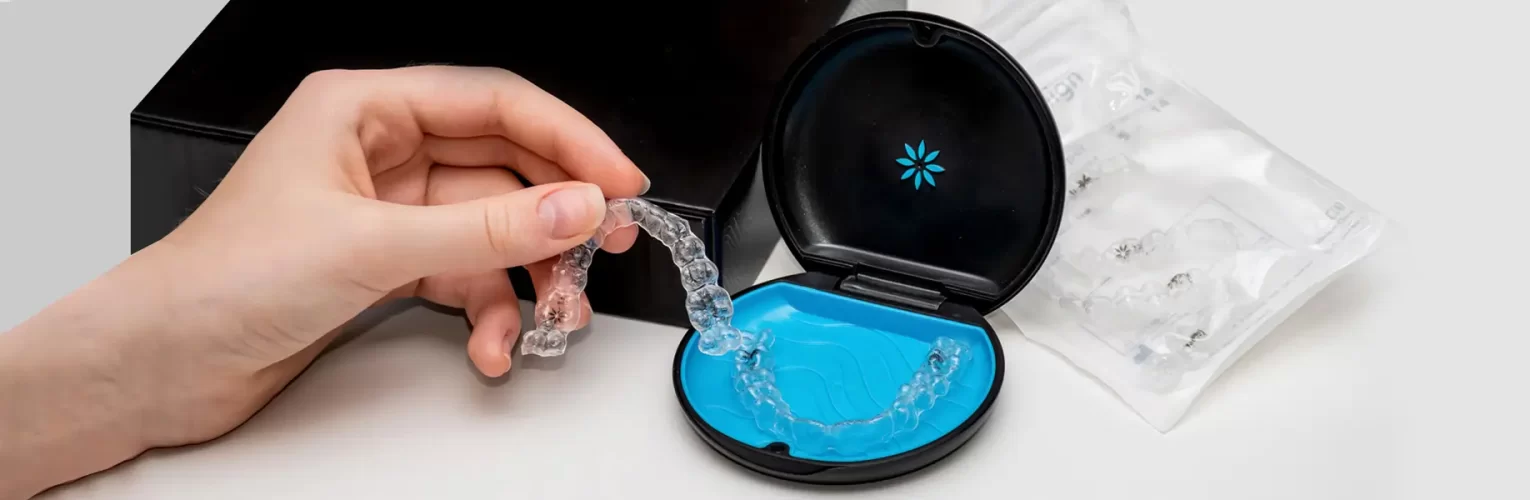
Are Invisalign Braces Effective for All Types of Teeth Misalignment?
Many people considering “invisalign braces near me” want to know whether clear aligners can correct alignment issues affecting their smile. Invisalign has become a popular orthodontic option because it offers a discreet way to straighten teeth. Still, its effectiveness depends on the type of malocclusion, the complexity of the required tooth movement, and the patient’s individual oral health needs.
Modern aligner systems can address a wide range of orthodontic concerns, including dental crowding, tooth rotation, diastema, overbite, underbite, and crossbite. When guided by accurate diagnosis and personalized treatment planning, Invisalign can address both cosmetic concerns and functional bite issues. However, not every case is suited to clear aligners alone, which is why a professional evaluation remains essential.
A clear understanding of Invisalign’s capabilities helps patients develop realistic treatment expectations and choose the most appropriate orthodontic solution.
How Summit Pointe Dental Evaluates Your Misalignment: What Makes a Case Suitable for Invisalign vs. Other Orthodontics?
Every successful orthodontic case starts with understanding why the teeth are misaligned. Genetics, jaw development, tooth loss, oral habits, and previous orthodontic relapse can all influence how teeth shift over time.
A comprehensive bite alignment assessment helps determine whether Invisalign is likely to achieve the desired outcome. During the evaluation, dentists assess:
- Severity of dental crowding
- Teeth spacing correction needs
- Tooth rotation patterns
- Existing overbite, underbite, crossbite, or open bite
- Jaw relationships
- Occlusal alignment
- Oral health status
- Expected aligner compliance and wear time
Digital scans and three-dimensional imaging provide a detailed understanding of how the teeth and jaws function together. These records help determine whether orthodontic treatment with clear aligners is appropriate or if another approach may provide a more predictable result.
Treatment suitability depends on more than the appearance of crooked teeth. Bite function, jaw relationships, bone support, and the amount of movement required all influence long-term success.
Invisalign’s Strengths: Types of Misalignment It Handles Well
Clinical studies and real-world orthodontic outcomes support the use of Invisalign for many mild-to-moderate forms of malocclusion when treatment is carefully planned and monitored.
Mild to Moderate Dental Crowding
Dental crowding occurs when the teeth do not have enough space to erupt and align correctly, often leading to overlapping or rotated teeth. Dental crowding can complicate daily oral hygiene routines, making it easier for plaque to accumulate and increasing the likelihood of gum health issues.
For mild to moderate crowding, Invisalign can gradually reposition teeth into healthier alignment through controlled orthodontic tooth movement. Improved alignment often makes oral hygiene easier while enhancing the overall appearance of the smile.
Many individuals exploring clear braces appreciate having a less noticeable alternative to traditional orthodontic appliances.
Teeth Spacing Correction and Diastema
Spaces between teeth, commonly known as diastema, can affect smile symmetry and bite efficiency. Invisalign aligners can gradually close unwanted gaps while preserving proper tooth proportions and healthy occlusal alignment.
Many patients choose Invisalign because it offers a discreet way to correct spacing concerns without disrupting daily routines.
Overbite Correction
When the upper front teeth cover an unusually large portion of the lower front teeth, the condition is known as an overbite. Many mild-to-moderate overbite cases can be improved with Invisalign when the condition is primarily related to tooth positioning rather than jaw structure.
Correcting an overbite may help distribute biting forces more evenly and reduce excessive wear on specific teeth over time.
Underbite Correction
An underbite develops when the lower teeth sit in front of the upper teeth. Mild dental underbites often respond well to aligner therapy, while more severe skeletal discrepancies may require additional orthodontic intervention.
Crossbite Correction
A crossbite occurs when some upper teeth fit inside the lower teeth when biting down. Left untreated, a crossbite may contribute to uneven tooth wear, gum recession, or bite instability.
Invisalign often produces favourable results in mild dental crossbite cases where the issue is primarily related to tooth position.
Tooth Rotation and Crooked Teeth
Tooth rotation can affect both appearance and oral hygiene. In many cases, Invisalign treatment for crooked teeth can improve mild to moderate rotational concerns through carefully planned aligner movements and attachments.
Advances in aligner design have expanded treatment possibilities beyond cosmetic alignment, allowing many functional bite concerns to be addressed during care.
Clinical Limitations: Misalignment Types Where Invisalign May Not Be the Best Option
Although Invisalign is highly versatile, some orthodontic conditions respond more predictably to alternative treatment approaches.
Severe Dental Crowding
Significant crowding may require space creation with additional orthodontic techniques before alignment can be achieved.
Severe Tooth Rotations
Extensively rotated teeth are often more difficult to reposition using removable aligners alone.
Significant Skeletal Malocclusion
When a bite problem is caused primarily by jaw structure rather than tooth position, clear aligners may not provide sufficient correction. This includes certain severe cases of overbite, underbite, crossbite, and open bite.
Advanced Orthodontic Relapse
Orthodontic relapse occurs when teeth gradually shift after previous treatment. While Invisalign can address many relapse cases, more extensive movement may benefit from comprehensive orthodontic care or dental braces services.
How Do Attachments, Elastics, and Aligner Planning Expand Invisalign’s Capabilities?
Today’s Invisalign systems use advanced biomechanics that allow for more precise and predictable tooth movement.
Smart Attachments
Attachments are small tooth-colored shapes bonded to selected teeth during treatment. They help aligners generate the force needed for movements such as:
- Tooth rotation
- Root positioning
- Intrusion
- Extrusion
- Complex orthodontic tooth movement
Elastics
Elastics can improve bite relationships and are commonly used for:
- Overbite correction
- Underbite correction
- Crossbite correction
- Midline discrepancies
- Bite coordination
Advanced Digital Planning
Before aligners are manufactured, digital simulations allow clinicians to map each stage of alignment and identify potential challenges early. This planning process improves precision and helps create more efficient tooth movement.
Factors That Influence Invisalign Success and Long-Term Results
Even the most advanced aligners are only as effective as the diagnosis behind them and the consistency with which they are worn.
No two orthodontic cases are exactly alike, which is why treatment recommendations are based on each patient’s specific clinical findings and bite characteristics. Some individuals require only minor alignment correction, while others need more comprehensive bite adjustments.
Patients who complete Invisalign successfully often share several habits:
- Wearing aligners as instructed
- Attending scheduled follow-up appointments
- Maintaining good oral hygiene
- Reporting concerns promptly
- Following retainer recommendations after treatment
These habits support predictable tooth movement and help maintain alignment over the long term.
When Are Traditional Braces or Hybrid Approaches Recommended Instead of Clear Aligners?
While Invisalign can address many orthodontic concerns, some situations are better managed using traditional orthodontic techniques.
Conditions that may benefit from dental braces services include:
- Severe skeletal discrepancies
- Impacted teeth
- Extensive tooth rotation
- Complex open bite cases
- Significant crowding
- Advanced bite dysfunction
In certain cases, a hybrid approach may combine aligners with traditional orthodontic appliances to achieve specific treatment goals.
When comparing Invisalign and clear braces, the most appropriate option depends on the complexity of the case and the type of tooth movement required.
Talk to Summit Pointe Dental in Jackson, MI, to See If Invisalign Is the Best Choice for Your Smile
A comprehensive orthodontic evaluation can help determine the most appropriate treatment approach for concerns such as crowding, spacing, tooth rotation, bite discrepancies, or orthodontic relapse.
If you have been searching for Invisalign braces near me, researching clear aligners near me, a personalized consultation can provide a clearer understanding of your options.
Summit Pointe Dental in Jackson, MI, provides individualized recommendations based on clinical findings, oral health needs, and long-term treatment goals. The goal is not simply straighter teeth but a stable bite that supports lasting oral health and confidence.
Frequently Asked Questions
Yes. For patients with mild to moderate crowding, Invisalign may help align the teeth more effectively and reduce areas where plaque can accumulate.
Many mild-to-moderate overbite, underbite, and crossbite cases can improve with Invisalign, depending on the underlying cause and severity.
In many cases, Invisalign treatment for crooked teeth can improve mild to moderate tooth rotation through carefully planned aligner movements and attachments.
Orthodontic relapse occurs when teeth gradually shift after treatment, often because retainers are not worn consistently or because of natural tooth movement over time.
Aligner compliance is critical. Wearing aligners as instructed helps support predictable tooth movement and successful treatment outcomes.