
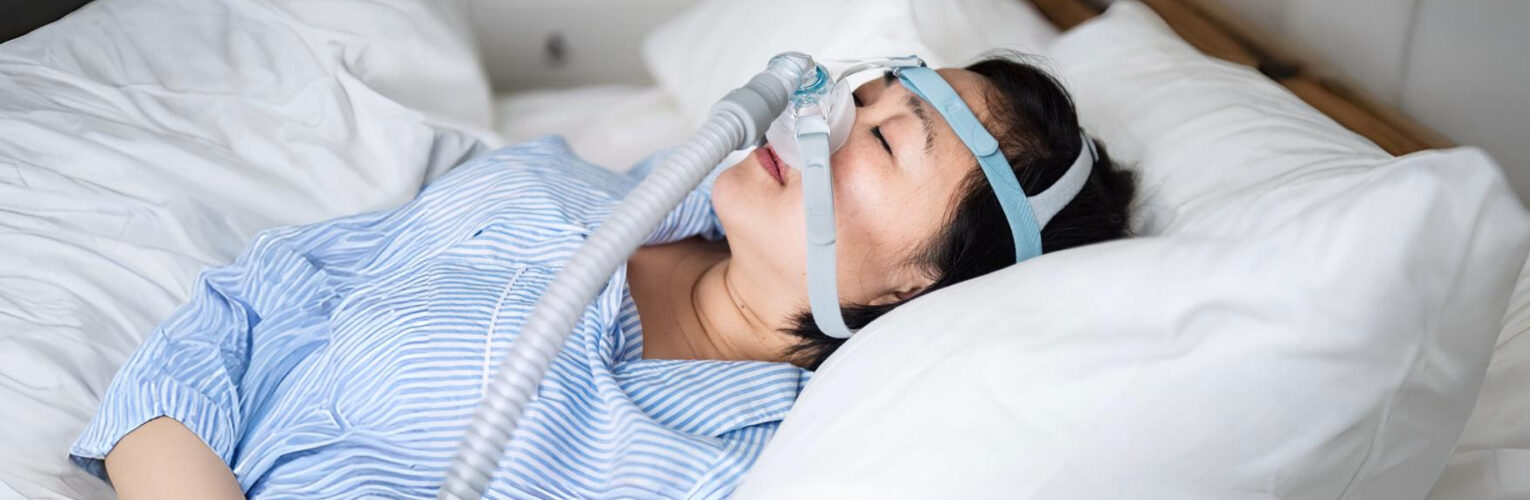
Can Elevating Your Head While Sleeping Help with Sleep Apnea?
Introduction
Sleep should leave you feeling refreshed—not exhausted. But if you snore loudly or wake up gasping for air, you might be having sleep apnea. This condition disrupts breathing at night and prevents restful sleep. For many, small lifestyle changes can make a big impact. One popular method? Raising your head while sleeping.
Let’s explore whether this simple shift in sleeping position can actually help—and what other options are out there.
What Is Sleep Apnea?
Sleep apnea refers to a situation where breathing stops briefly during sleep. It’s not just annoying—it’s harmful. These pauses in breath can happen dozens or sometimes hundreds of times per night, leading to:
- Daytime fatigue
- Morning headaches
- Irritability or mood swings
- Poor concentration
There are three main types:
- Obstructive sleep apnea (OSA): Most common. Caused by a blocked or collapsed airway.
- Central sleep apnea: Here, the brain is unable to send signals to breathe.
- Complex sleep apnea syndrome: A mix of both.
Elevating your head mainly benefits those with OSA—the most common type.
Why Head Elevation Matters?
When you lie flat, gravity works against you. Your tongue, soft palate, and other tissues in your throat may collapse, narrowing your airway. Elevating your head helps by:
- Keeping the airway more open
- Reducing tongue obstruction
- Lowering snoring volume
- Improving nighttime oxygen levels
Even a 30 to 45-degree angle can make a difference. This minor adjustment relieves pressure on your airway and supports smoother breathing.
Ways to Elevate Your Head for Better Sleep?
You don’t need fancy gear to make a change. Try one of these options:
Adjustable Beds
- Allows you to raise the head of the bed to the desired angle.
- Offers the most control and comfort.
Wedge Pillows
- Firm and angled to support your upper body.
- Budget-friendly and easy to use.
Memory Foam Pillows
- Some come with built-in elevation.
- Support your neck and head without sinking.
DIY Elevation
- Place blocks under the headboard legs.
- Stack a couple of firm pillows (though not ideal for neck support).
Keep in mind, elevation should involve the upper body—not just the head. Lifting only your head can kink the airway more and make things worse.
Can It Replace Treatment?
Raising your head might improve symptoms, but it’s not a cure. It’s a helpful piece of the puzzle—especially when combined with other treatments.
Signs that you must seek sleep apnea treatment near me include:
- You still wake up tired despite elevating your head
- Your partner notices frequent pauses in breathing
- You experience choking or gasping during the night
- You have high blood pressure or heart issues
The sooner you get evaluated, the better. Untreated sleep apnea increases the possible risk of stroke, diabetes, and heart problems.
Additional At-Home Strategies
You can combine head elevation with these tips for even better results:
Sleep on Your Side
Sleeping on your back makes it easier for your tongue to fall backward. Side sleeping keeps your airway open naturally.
Avoid Alcohol at Night
Alcohol relaxes throat muscles, making obstruction more likely.
Lose Extra Weight
Excess weight can add pressure around your neck and throat, narrowing the airway.
Quit Smoking
Smoking irritates and inflames airways. Reducing inflammation helps keep air flowing freely.
When to See a Professional?
If snoring and fatigue persist, it’s time to consult a dental clinic for sleep apnea or a medical sleep specialist. Dentists trained in sleep dentistry can create oral appliances that carefully reposition your jaw to keep the airway open.
What to expect during a visit:
- Review of symptoms and sleep history
- Possible referral for a sleep test
- Custom-made mouthguard or other therapies
At Summit Pointe Dental, we specialize in sleep-focused dental solutions that go beyond cleanings. Our approach is comfortable, practical, and geared to help you sleep better naturally.
Final Words
So—can elevating your head while sleeping help with sleep apnea? Yes, it absolutely can. While it may not replace professional treatment, it’s a powerful and simple way to ease breathing, reduce snoring, and support better rest.
You deserve deep, restorative sleep. Start with small changes like adjusting your bed position and monitoring your symptoms. If you need more help, seek care from a team that understands sleep health.
Your next move? Don’t wait. Reach out to a trusted provider for sleep apnea in Jackson, MI to explore your options and reclaim your nights.